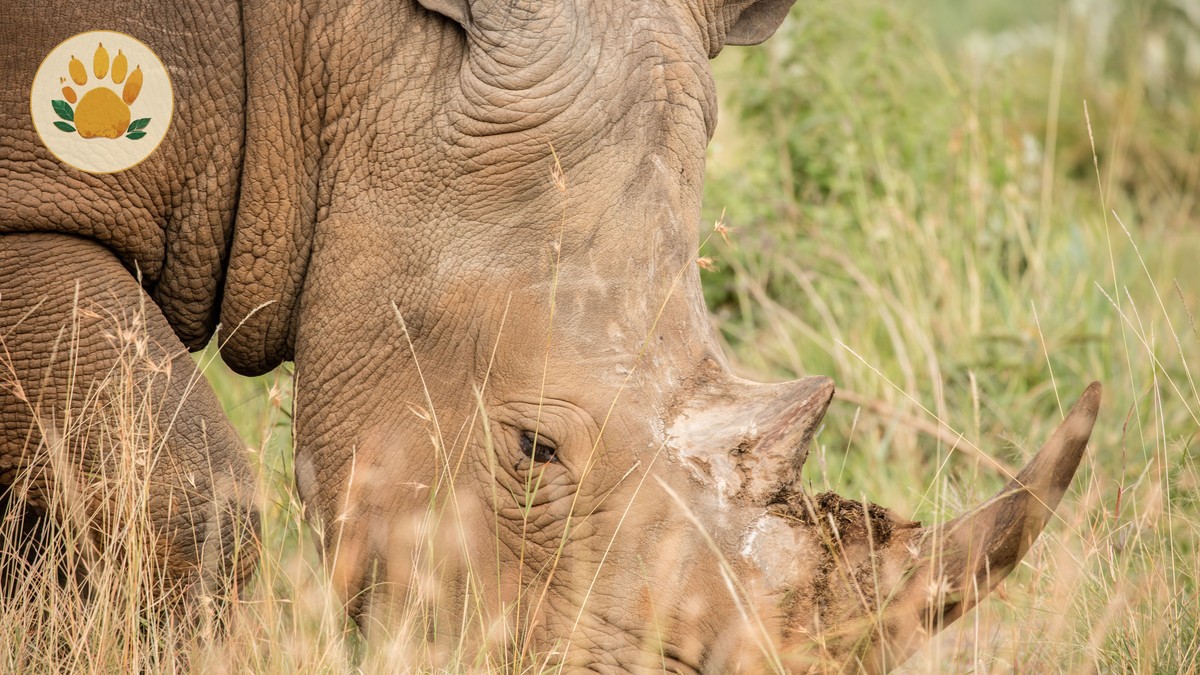
Most people book Lake Nakuru National Park for flamingos. What they get, often without expecting it, is one of the most reliable rhino sightings in East Africa. This Lake Nakuru rhino sanctuary guide covers why that happens and what to expect before you go. Nakuru is fenced, patrolled, and stocked deliberately, and that combination makes it a different kind of rhino experience than an open conservancy. It is worth understanding before your trip, so your expectations match what the park actually delivers.
Lake Nakuru Rhino Sanctuary Guide: Why It Exists
In the early 1980s, Kenya’s black rhino population collapsed under heavy poaching, dropping from roughly 20,000 animals nationwide in the 1970s to under 400 by the mid-1980s. Lake Nakuru National Park became one of the government’s answers. In 1987, the Kenya Wildlife Service completed an electric perimeter fence that encloses the entire park, an area of about 188 square kilometers. That turned the whole park into a protected rhino sanctuary rather than a small enclosure within it.
That distinction matters. Some sanctuaries are a fenced pocket inside a larger park. Nakuru’s fence surrounds the whole park, which is part of why sightings here are so consistent.
Which Rhinos Live in Lake Nakuru
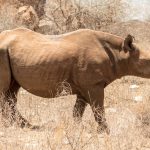
Both species are present, which is unusual. Nakuru holds an indicative range of 25 to 30 black rhinos (Diceros bicornis) and 70 to 80 southern white rhinos (Ceratotherium simum). Exact figures shift with births, transfers to other sanctuaries, and periodic counts. Combined, that gives the park one of the highest rhino densities of any protected area in Kenya, relative to its size.
The white rhinos here are not native. They were introduced from South Africa starting in the 1970s, since white rhinos had already been eliminated from Kenya. The black rhinos are the animal the sanctuary was originally built to save.
Telling Them Apart
The names are misleading. Neither rhino is reliably black or white. The real differences are the mouth and the build.
- Black rhino: pointed, hooked upper lip built for browsing on shrubs and branches. Smaller head, more alert posture, often solitary and quicker to move off.
- White rhino: broad, square lip built for grazing grass. Larger body, head carried low, more likely to be seen in small groups.
If you remember one thing, remember the lip. It is the fastest way to identify a rhino from a moving vehicle at 40 meters.
Getting There: Gates, Distance, and Drive Time
Lake Nakuru National Park sits about 156 km northwest of Nairobi. The drive takes roughly 2.5 to 3 hours on the A104 highway through Naivasha, depending on traffic through Nairobi’s outskirts and roadwork near Gilgil.
Three gates serve the park, and which one you use changes your first hour inside:
- Main Gate (Nakuru Gate): on the northwestern shore of the lake, about 4 km from Nakuru town. This is the gate most self-drive visitors and day-trippers use, and it puts you near the lakeshore and the escarpment viewpoint quickly.
- Lanet Gate: east side, convenient if you are coming in from the Eldoret-Nakuru direction rather than straight off the Nairobi highway.
- Nderit Gate: south side, the quietest entrance and the one closest to the grassland plains where white rhino groups tend to graze in the early morning.
If rhinos are your priority and you are staying south of the park, Nderit Gate usually gets you into open rhino country faster than Main Gate. Main Gate spends more time skirting the lake first.
Entry Fees and What to Budget
Kenya Wildlife Service fees change periodically, so treat any number here as an indicative snapshot rather than a confirmed rate. Non-resident adults can generally expect to pay somewhere in the range of USD 60 to 90 per day for Lake Nakuru. The exact rate depends on the current KWS rate card at the time of your visit. Reduced rates apply for children, and vehicle fees are charged separately. Always confirm current Lake Nakuru entry fees before you travel. KWS can adjust its rate card without much public notice, so no single published figure should be treated as fixed.
Budget separately for a guide or driver-guide, which most first-time visitors want given the park’s network of unmarked tracks.
Best Time to See Rhinos
Rhinos are most active early morning, from park opening around 6:00 am until roughly 9:30 am. They are active again in the late afternoon, from about 4:00 pm to closing at 6:00 pm. Midday heat pushes them into thicker bush near the acacia woodland, where they are harder to spot.
Seasonally, the dry months of June through October and January to February open up visibility. Shorter grass in the southern plains near Nderit Gate makes both species easier to see at distance. During the long rains of April and May, grass grows tall enough to hide even a two-ton white rhino standing still.
Comparing Nakuru to Other Rhino Sanctuaries
Nakuru is not the only rhino option in Kenya, and it is not always the best fit. Here is how it stacks up against the other names first-time travelers usually ask about.
| Sanctuary | Distance from Nairobi | Drive time | Approx. entry fee (non-resident) | Rhino species | Setting |
|---|---|---|---|---|---|
| Lake Nakuru National Park | 156 km | 2.5-3 hrs | USD 60-90/day (indicative) | Black and white | Fully fenced national park |
| Solio Sanctuary | 220 km | 3.5-4 hrs | Included in conservancy fees, ~USD 50-70/day (indicative) | Black and white | Private, semi-wild, fenced perimeter |
| Ol Pejeta Conservancy | 220 km | 3.5-4 hrs | ~USD 90/day (indicative) | Black and white, plus last northern white rhinos | Private conservancy, fenced |
| Nairobi National Park | 10 km | 20-30 min | USD 43/day (indicative) | Black rhino only | Unfenced on one side, urban edge |
If you have already read up on Solio Rhino Sanctuary, the honest comparison is this. Solio feels wilder and less managed, with fewer other vehicles and a private-conservancy pace. Nakuru feels busier and more scripted, with tour vans and a fixed circuit. It pairs rhinos with flamingos, lions, and Rothschild’s giraffe in one stop, which Solio does not.
Photography and Viewing Etiquette
Stay inside your vehicle. Nakuru does not permit walking safaris or foot access near rhinos, unlike some private conservancies that offer rhino tracking on foot with an armed ranger. Keep at least 20 meters of distance and let the animal set the pace. Black rhinos startle more easily than white rhinos and can charge if they feel cornered.
For photos, a 200-400mm lens covers most sightings. Morning light along the grassland edges near Nderit Gate tends to be softer and less harsh than the midday glare over the open plains.
Can You See Rhinos and Flamingos Together?
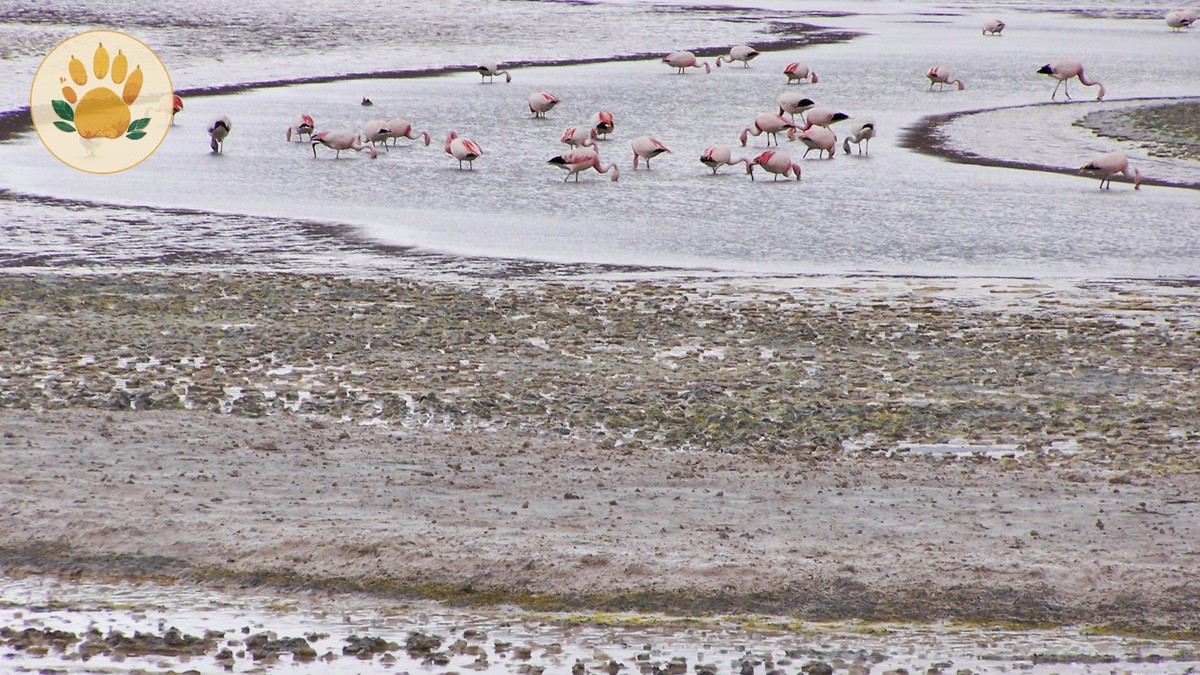
Yes, and most visitors do both in a single half-day game drive. The lakeshore, where flamingo numbers fluctuate year to year with water levels and algae blooms, sits a short drive from the grassland where rhinos graze. A typical loop covers both within three to four hours. That is one reason Nakuru works well as a stop on a wider Rift Valley lakes safari circuit alongside Lake Naivasha and Lake Elmenteita.
Are Sightings Guaranteed?
No sighting in the wild is guaranteed, but Nakuru comes close. Given the fenced perimeter and population density, most vehicles spending two to three hours on a morning drive see at least one rhino, often several. That said, close is not certain. Budget a full morning rather than a rushed hour if rhinos are the main reason for your visit.
The SafariPure Difference
We do not send guests into Nakuru on the same fixed loop every operator drives. Our guides track ranger radio reports and recent movement patterns to decide which gate to use that morning. They choose Nderit for the grassland plains or Main Gate if lakeshore activity is stronger that week. We also tell you plainly when a private conservancy like Solio or Ol Pejeta would suit your priorities better than Nakuru. We do not upsell a park that does not fit what you actually want. That honesty is why we label fee ranges here as indicative instead of pretending we can guarantee the exact rate KWS will charge on your travel date.
Plan Your Visit
If Lake Nakuru’s rhino sanctuary sounds like the right fit, or you are still weighing it against Solio or Ol Pejeta, we can help you build the itinerary around it. Get in touch through our contact page and we will work out gates, timing, and lodging together.